What Are Nasal Polyps? Causes, Symptoms, and Treatments

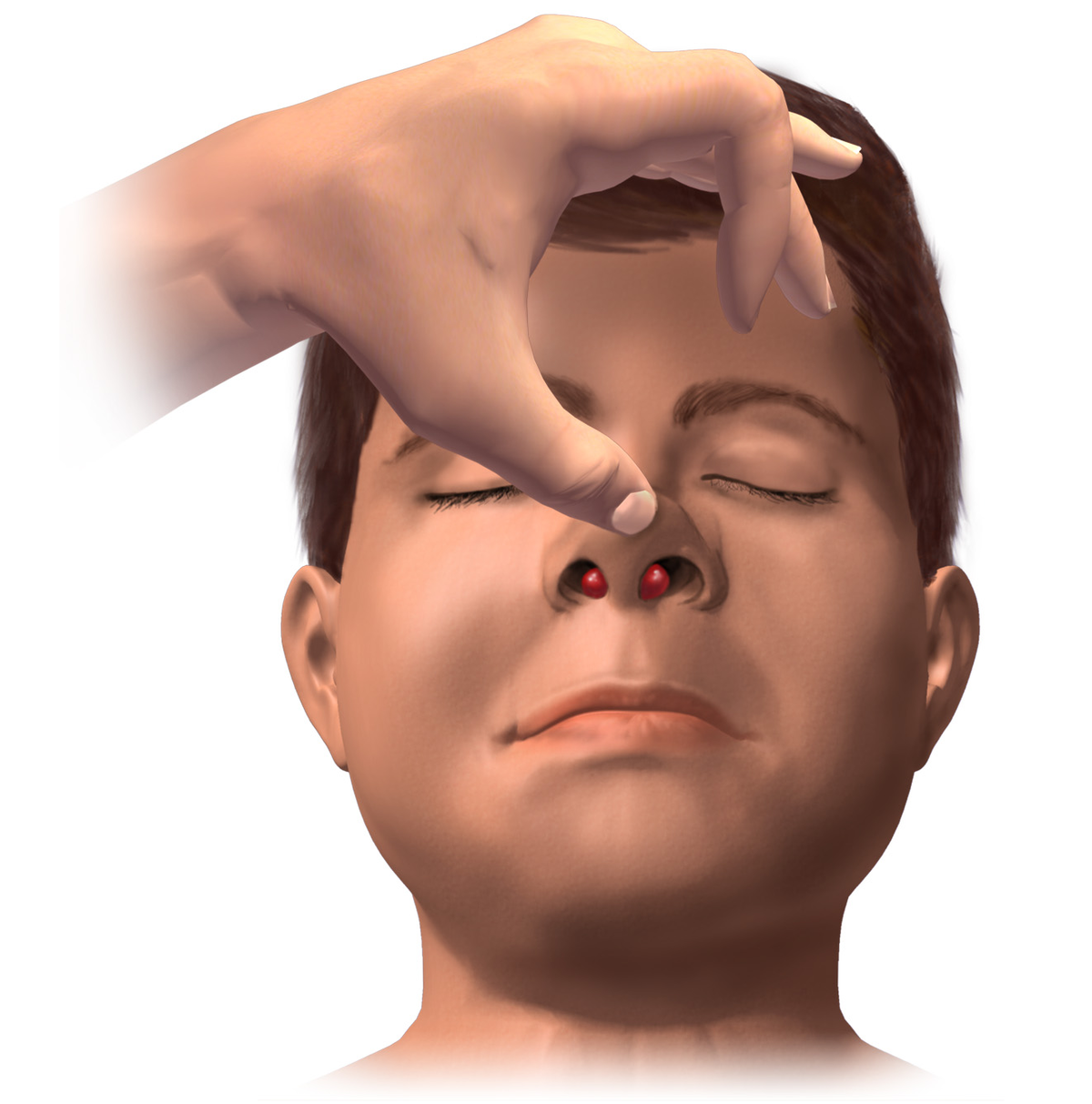
Nasal polyps are soft, painless, non-cancerous edematous outgrowths that develop from the mucous membrane lining the nasal passages and paranasal sinuses. Unlike normal anatomical structures such as the inferior turbinates (nasal conchae), polyps are strictly pathological inflammatory tissue. As they expand, polyps mechanically obstruct laminar airflow, inducing persistent nasal blockage. Once formed, nasal polyps do not resolve spontaneously without clinical therapy. Furthermore, by obstructing sinus ostia and down-draining secretions, polyps frequently precipitate chronic rhinosinusitis, hyposmia or anosmia (loss of smell), dull facial headaches, habitual snoring, and obstructive sleep apnea. Secretions dripping down the posterior pharynx can also provoke asthma flare-ups, necessitating evaluation by an ENT specialist.
What Causes Nasal Polyps?
The genesis of nasal polyps is rooted in chronic mucosal inflammation. Primary contributing factors include:
- Chronic Allergic and Eosinophilic Inflammation: Allergic rhinitis and immune dysregulation stimulate persistent mucosal edema and tissue remodeling.
- Chronic Rhinosinusitis: Recurrent bacterial or fungal colonization triggering prolonged sinonasal inflammation.
- Aspirin-Exacerbated Respiratory Disease (Samter’s Triad): A clinical syndrome characterized by nasal polyposis, asthma, and severe hypersensitivity to aspirin and NSAIDs.
- Genetic and Immune Factors: Aberrant epithelial barrier function and localized cytokine hyper-secretion (IL-4, IL-5, IL-13).
Clinical Symptoms of Nasal Polyposis
Patients typically present with an insidious progression of symptoms:
- Persistent, severe bilateral nasal congestion unresponsive to standard antihistamines;
- Profound reduction or complete loss of the sense of smell and taste (anosmia);
- Continuous anterior rhinorrhea and posterior post-nasal drip;
- Facial fullness, periorbital pressure, and dull tension headaches;
- Disruptive nocturnal snoring and secondary sleep fragmentation.
Modern Treatment Options for Nasal Polyps
Management utilizes a progressive clinical approach combining medical and surgical modalities:
- Pharmacological Therapy: High-potency intranasal corticosteroid sprays and nasal steroid irrigations constitute first-line maintenance therapy to reduce polyp volume and control eosinophilic inflammation. In severe cases, short courses of oral corticosteroids or targeted monoclonal antibodies (biologics targeting IgE or IL-4/IL-13) are prescribed.
- Functional Endoscopic Sinus Surgery (FESS): When pharmacological management is insufficient or polyps cause total airway obstruction, FESS is the gold-standard surgical procedure. Utilizing high-definition rigid endoscopes and powered microdebriders, the surgeon precisely excises polyps and opens obstructed sinus pathways through the nostrils with zero external facial incisions.
Post-operative nasal saline lavage and long-term topical maintenance therapy prevent polyp recurrence, permanently restoring effortless nasal breathing and olfactory sensation.