Rhinoplasty (Nose Surgery): The Comprehensive Clinical Guide


What is Rhinoplasty?
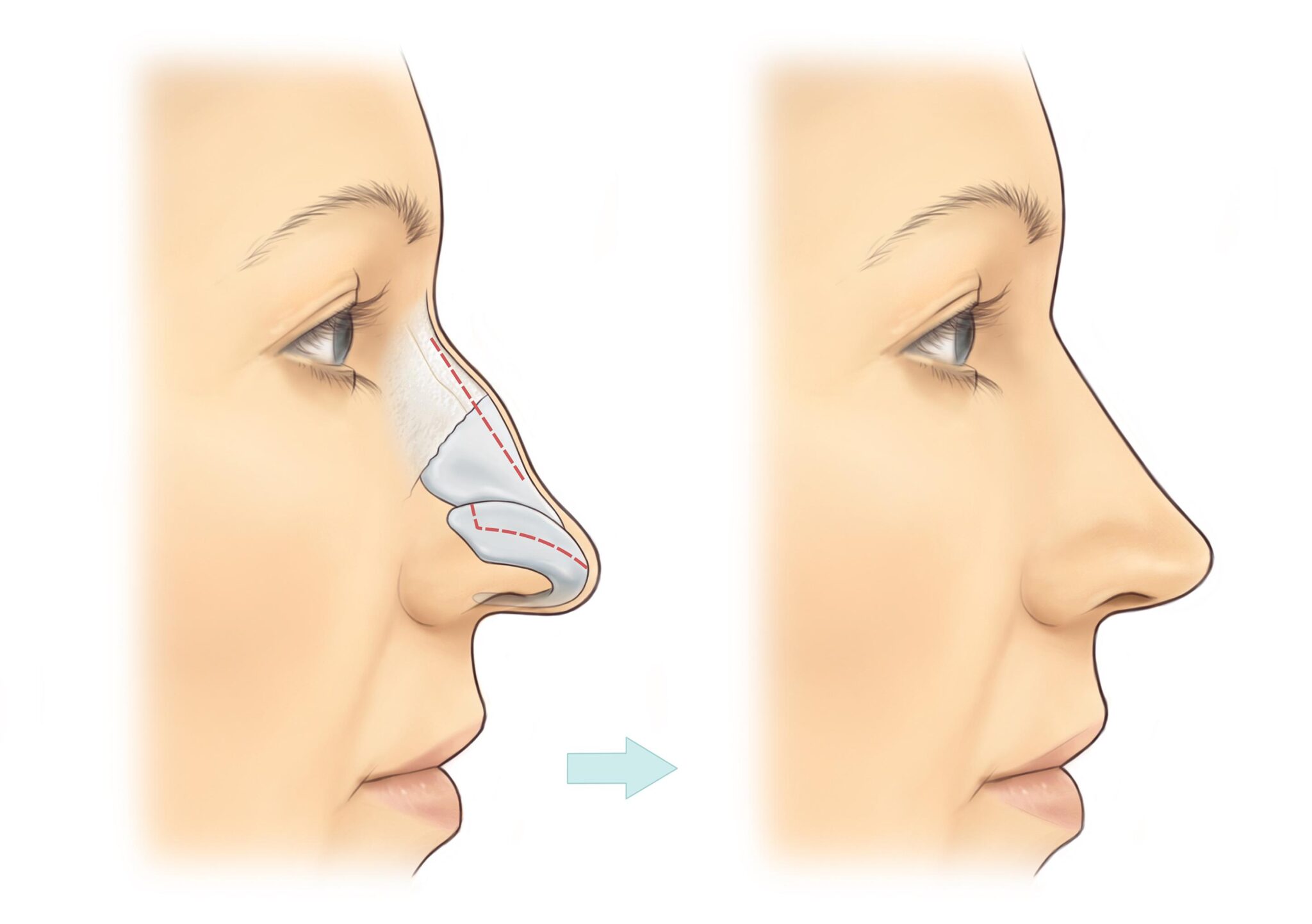
Rinoplasty (nose reshaping surgery) is a complex reconstructive and aesthetic surgical procedure designed to correct nasal structural deformities, harmonize facial balance, and restore optimal respiratory function. The nose is not merely a central cosmetic feature; it serves as the primary filter, humidifier, and thermal regulator for the upper respiratory tract. Consequently, contemporary rhinoplasty emphasizes structural preservation, avoiding aggressive tissue resection to build a durable cartilaginous framework while protecting the internal nasal valves.
Surgical Approaches and Types of Rhinoplasty
Every patient exhibits distinctive nasal anatomy, skin envelope thickness, and structural deviations. Surgical planning is customized according to individual clinical parameters using the following fundamental techniques:
1. Open Rhinoplasty
A small trans-columellar incision is made across the tissue bridging the nostrils and joined with marginal internal incisions, allowing the nasal skin and soft tissue envelope to be elevated. This approach provides direct, binocular visualization of the osseocartilaginous framework, facilitating precise asymmetric corrections, structural graft placement, and complex tip reshaping. It remains the gold standard for severe deviations, ethnic rhinoplasty, and revision procedures.
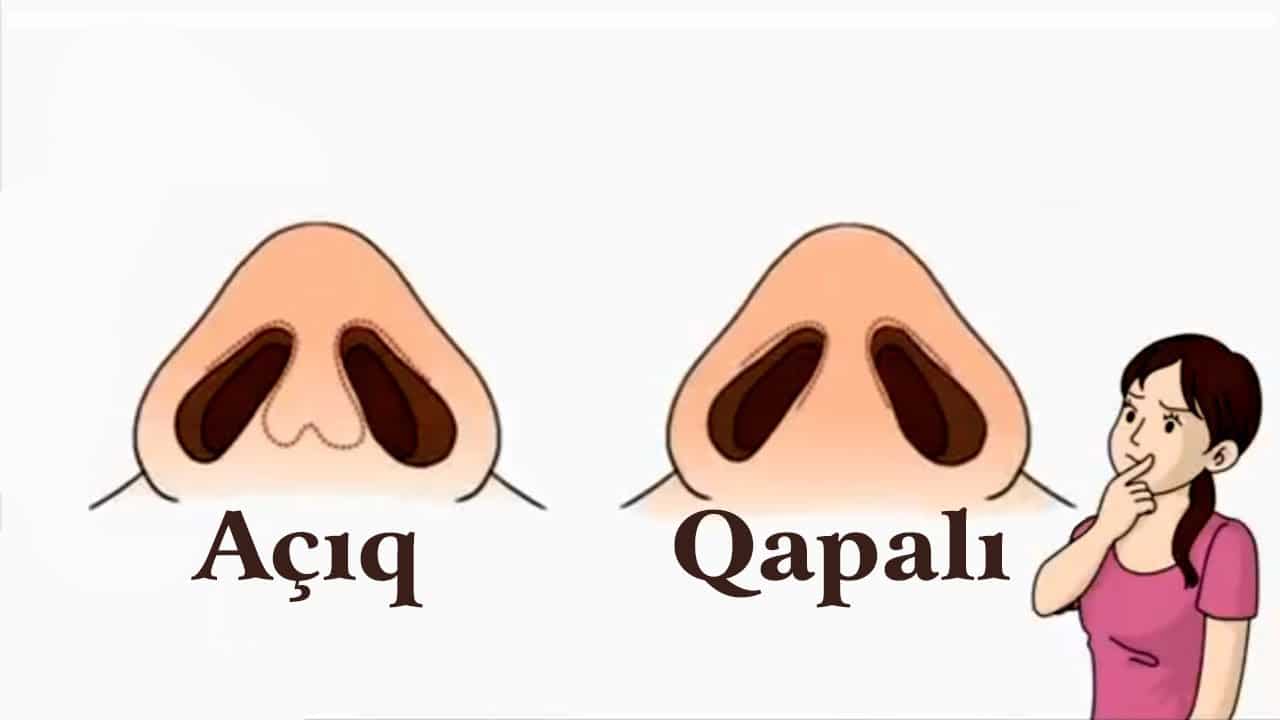
Open Rhinoplasty Results (Before and After): Clinical photographic documentation of patients who underwent open technique rhinoplasty:


2. Closed Rhinoplasty (Endonasal)
All surgical incisions are made entirely within the nostrils (endonasally), leaving no external scars on the columella. Because the soft tissue envelope and columellar microcirculation remain undisturbed, postoperative edema and bruising are markedly reduced, resulting in a faster recovery period. This approach is well suited for dorsal hump reduction, subtle tip refinement, and primary cases with symmetrical anatomy.
Closed Rhinoplasty Results (Before and After): Clinical photographic documentation of patients who underwent scarless endonasal closed rhinoplasty:


3. Septorhinoplasty
A combined functional and cosmetic procedure that straightens the internal deviated nasal septum while re-aligning the external nasal pyramid. Obstructive septal spurs are resected or reshaped, restoring bilateral airway patency, while harvested autologous septal cartilage is utilized as structural spreader and columellar strut grafts.
4. Nasal Tip Plasty (Tipplasty)
Focuses exclusively on modifying the lower lateral (alar) cartilage framework without bony osteotomies. Indicated for bulbous, drooping, underprojected, or asymmetric nasal tips. Because nasal bones are not fractured, postoperative periorbital bruising and edema are minimal.
5. Revision (Secondary) Rhinoplasty
Surgical reconstruction for patients with unsatisfactory aesthetic results or secondary airway collapse following previous surgeries. Given scarred tissue planes and septal cartilage depletion, autologous auricular (ear) or costal (rib) cartilage grafting is frequently required.
6. Non-Surgical Rhinoplasty (Liquid Rhinoplasty)
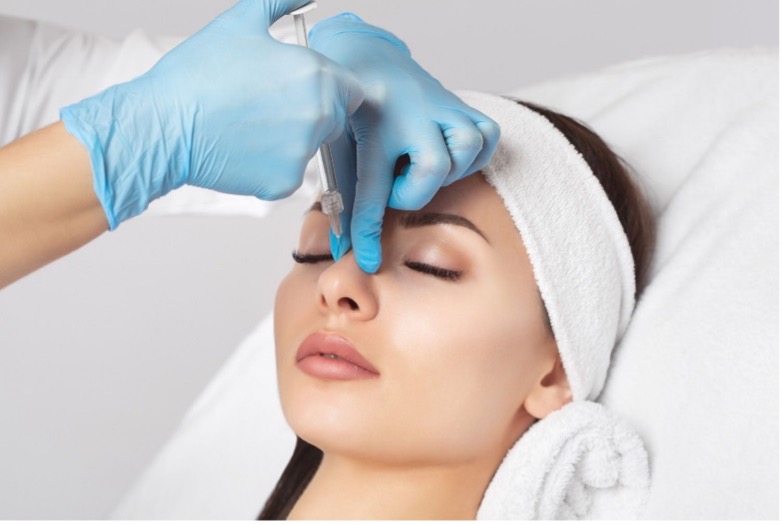
A non-invasive cosmetic treatment utilizing hyaluronic acid dermal fillers to camouflage mild dorsal depressions, smooth minor asymmetries, or elevate the nasal tip. Results typically last 12 to 18 months. It does not correct functional breathing obstruction nor reduce overall nasal volume, serving strictly as surface optical camouflage.
Indications and Contraindications for Rhinoplasty
Candidate eligibility requires rigorous preoperative clinical examination and psychological evaluation:
Clinical Indications:
- Congenital or acquired nasal deformities (dorsal hump, crooked or deviated nasal axis);
- Functional airway obstruction secondary to septal deviation or inferior turbinate hypertrophy;
- Broad, bulbous, drooping, or structurally asymmetric nasal tip;
- Post-traumatic fractures, nasal saddle deformities, or sports injuries;
- Suboptimal aesthetic or functional outcomes from previous rhinoplasty.
Contraindications and Limitations:
- Patients under 18 years of age (surgery must be deferred until facial skeletal growth centers achieve full maturity);
- Decompensated cardiovascular pathology or severe bleeding diatheses (e.g., hemophilia, coagulopathies);
- Uncontrolled diabetes mellitus and active neoplastic processes;
- Acute respiratory infections and active cutaneous dermatoses in the nasal region;
- Body Dysmorphic Disorder (BDD) and unrealistic aesthetic expectations disconnected from surgical reality.
Anesthesia Options: General Anesthesia vs. Local with Sedation
The choice of anesthesia depends on surgical scope, anticipated procedural duration, and patient health status:
General Anesthesia:
The standard of care for complete rhinoplasty, septoplasty, and bony osteotomies. The patient is completely asleep and experiences zero pain or discomfort. Crucially, cuffed endotracheal intubation protects the airway, eliminating the risk of blood aspiration into the trachea during delicate bony work.
Local Anesthesia with Sedation:
Reserved for isolated tip modifications (tipplasty) or minor soft tissue revisions. Intravenous twilight sedation relaxes the patient while local infiltrative anesthesia blocks sensory nerves. For procedures requiring osteotomies, general anesthesia is strongly preferred for patient psychological well-being and hemodynamic control.
Pre-Operative Preparation Protocol
Strict adherence to preoperative guidelines minimizes intraoperative bleeding and surgical risks:
- Medication Adjustments: Discontinue all anticoagulants, antiplatelet agents (aspirin, ibuprofen, warfarin), vitamin E, omega-3, ginseng, and herbal supplements at least 2 weeks prior to surgery to mitigate bleeding hazards;
- Tobacco and Nicotine Cessation: Nicotine induces profound microvascular vasoconstriction, impairing tissue perfusion and wound healing. Stop all cigarette, cigar, and vaping use 3 to 4 weeks prior to surgery;
- Diagnostic Workup: Complete CBC, comprehensive metabolic panel, coagulation profile (PT/INR, aPTT), viral serologies (HBsAg, Anti-HCV, HIV), ECG, and an anesthesiology consultation;
- Sleep Apnea and CPAP: Patients with diagnosed obstructive sleep apnea (OSA) or regular CPAP use must notify the surgical and anesthesia team in advance;
- Pre-Surgery Fasting: Complete cessation of all food and liquid intake (strict fasting) from midnight (00:00) before surgery. Do not wear makeup, nail polish, or jewelry on the day of surgery.
Post-Operative Recovery Stages
Healing after rhinoplasty progresses through distinct tissue phases depending on surgical volume and skin envelope thickness. Below is the structured clinical recovery timeline:
Structured Recovery Timeline
Tissue regeneration and progressive contour refinement occur over several key milestones:
| Recovery Phase | Tissue Status and Clinical Milestones | Patient Activity Guidelines |
|---|---|---|
| Week 1 (Days 1–7) | Periorbital swelling and bruising peak by day 3 then subside. External thermoplastic splint and internal silicone splints are removed, sutures taken out. | Home rest. Strict restriction on heavy lifting, forward bending, and nose blowing. |
| Weeks 2–3 | Approximately 90% of facial bruising resolves. Noticeable reduction in swelling, normal skin color returns. | Return to desk work and routine social activities. Light cosmetic makeup is permitted. |
| Months 1–3 | About 75–80% of interstitial edema dissipates. Definitive nasal lines become visible. Mild morning puffiness may fluctuate throughout the day. | Light cardio exercise allowed. Avoid any direct impact or nasal trauma. |
| Months 6–12 & Beyond | Subcutaneous scar remodeling matures, tip cartilage stabilizes, and final structural shape is firmly established. | Contact sports and eyeglass wear completely unrestricted. Final 1-year evaluation conducted. |
Post-Operative Guidelines and Restrictions
Adherence to postoperative care rules is paramount to protect newly structured cartilage frameworks:
- Do Not Blow the Nose: Avoid forceful blowing or sniffing for the first 15 days; perform gentle nasal hygiene strictly using prescribed sterile isotonic saline sprays;
- Sleeping Elevation: Sleep on the back with the head elevated on 2 pillows for the first 2 weeks (avoid side sleeping and stomach sleeping);
- Thermal Avoidance: Avoid saunas, steam baths, hot tubs, and direct sunbathing for the first month to prevent vasodilatory bleeding and prolonged edema;
- Eyeglass Restriction: Do not wear optical glasses or sunglasses directly on the nasal bridge for 6 to 8 weeks, as frame weight can cause permanent bony indentation;
- Physical Activity: Avoid heavy lifting, vigorous workouts, and bending for 3 to 4 weeks; contact team sports should be postponed for at least 3 months;
- Skin Care: Following splint removal, gently cleanse the skin and apply broad-spectrum SPF 50+ sunscreen daily to prevent post-inflammatory hyperpigmentation.
Potential Risks, Complications, and Safety Standards
As with any surgical intervention, rhinoplasty carries certain inherent risks. Board-certified surgical expertise, advanced hospital infrastructure, and compliance with recovery instructions keep complication rates below 1%:
- Bleeding and Hematoma: Minor pinkish discharge is normal early on. Sudden active hemorrhage or septal hematoma formation warrants immediate clinical intervention;
- Infection: Extremely rare under sterile operating theatre standards and prophylactic antibiotic coverage;
- Contour Irregularities or Asymmetry: May arise from variable scar contracture or uneven tissue healing;
- Breathing Difficulties: Temporary mucosal swelling or persistent structural narrowing of the internal nasal valve;
- Anesthesia Risks: Mitigated by modern pharmacologic agents and continuous hemodynamic intraoperative monitoring.
What Determines the Cost of Rhinoplasty?
Rhinoplasty pricing is not a one-size-fits-all fee; it is calculated based on individual anatomical complexity and surgical requirements:
- Primary vs. Revision Surgery: Secondary cases require intricate scar dissection and cartilage harvesting, influencing operative time and pricing;
- Functional Complexity: Concomitant septoplasty, turbinate reduction, or functional sinus surgery;
- Advanced Technology: Utilization of ultrasonic piezo instrumentation and specialized microsurgical tools;
- Hospital Infrastructure: Performance in accredited hospital surgical suites like Baku Medical Plaza with full resuscitation and anesthesiology backup;
- Surgeon Qualifications and International Clinical Expertise.
Frequently Asked Questions (FAQ)
Is rhinoplasty a painful surgery?
The surgery is performed under general anesthesia, ensuring complete painlessness. Postoperatively, patients typically report mild nasal congestion and dull pressure rather than severe pain, easily managed with standard oral analgesics.
When will final rhinoplasty results be visible?
Approximately 80% of major swelling dissipates within the first 1 to 3 months. Subtle refinement and skin redraping require 9 to 12 months in thin-skinned patients and 12 to 18 months in patients with thicker sebaceous skin.
Will there be visible scars after nose surgery?
In closed rhinoplasty, all incisions are inside the nostrils, leaving zero external scarring. In open rhinoplasty, the tiny columellar incision is closed with delicate micro-sutures and fades into an imperceptible pale line over 6 to 12 months.
Does removing nasal splints hurt?
Modern procedures utilize soft silicone internal splints with integrated breathing channels. They do not adhere to mucosal tissues and slide out smoothly on day 3 to 7 with minimal discomfort.
Most patients comfortably return to sedentary desk work and social engagements once the external splint is removed, typically within 7 to 10 days post-surgery.
Medical Reviewer and Author
Dr. Sami Samin — Plastic, Reconstructive, and Aesthetic Surgeon.
Completed medical education and surgical residency in premier medical faculties in Turkey. An active member of international plastic surgery societies (ISAPS, TPCD), Dr. Sami Samin currently conducts patient consultations and surgical operations at Baku Medical Plaza in Baku.