Nasal Cavity Diseases: Types, Symptoms, and Treatments

Nasal cavity diseases can provoke substantial morbidity when appropriate clinical interventions are delayed. The human nose functions as both an olfactory sensory organ and the vital gateway of the upper respiratory system. By conditioning inhaled air—filtering particulates, warming temperature, and maintaining relative humidity—the nasal mucosa preserves pulmonary health. When nasal function is chronically impaired, downstream pulmonary and cardiovascular strain frequently develops, markedly degrading overall quality of life.
Persistent nasal obstruction and secondary mouth breathing often lead to sleep fragmentation, chronic fatigue, and reduced self-confidence. Aesthetic deformities stemming from trauma further impact psychological well-being. Prompt consultation with an experienced ENT or facial plastic surgeon is essential to prevent chronic inflammatory disease progression.
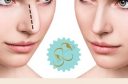
Physical trauma, facial fractures, and sports injuries represent major causes of acquired nasal disorders, often leaving untreated septal fractures, axis curvature, chronic mucosal inflammation, and secondary rhinosinusitis.
Types of Nasal Cavity Diseases
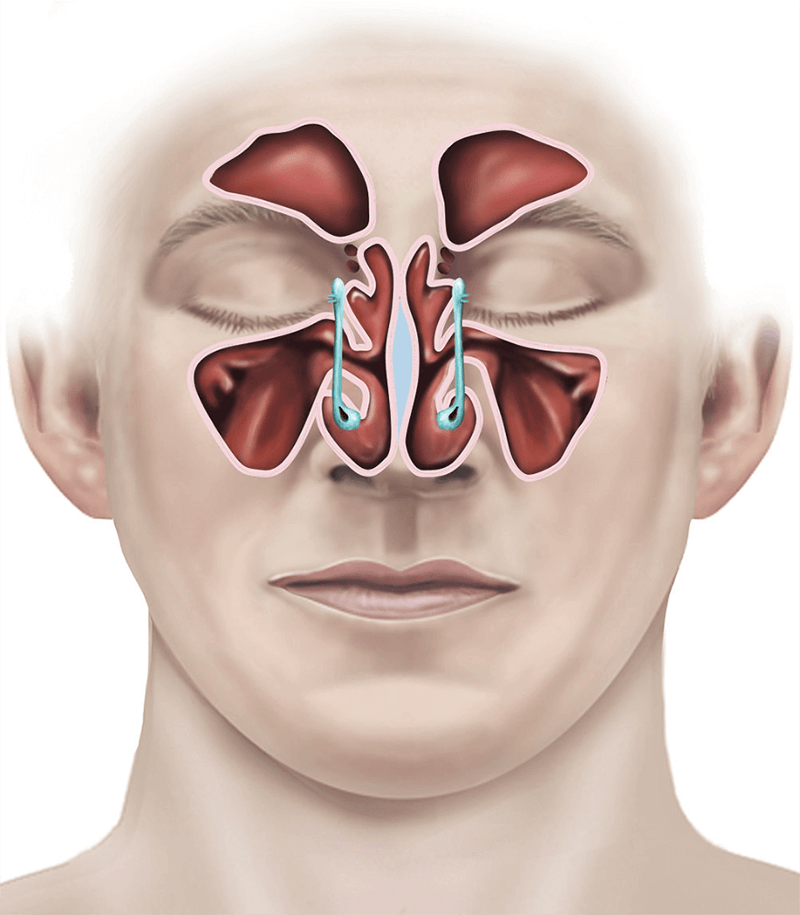
- Acute and Chronic Rhinosinusitis: Inflammation of the paranasal sinus mucosal lining (maxillary, ethmoid, frontal, or sphenoid sinuses) triggered by viral, bacterial, or fungal pathogens. Manifests with facial pressure, headache, purulent discharge, and olfactory reduction.
- Allergic Rhinitis: An IgE-mediated hypersensitivity reaction to airborne allergens (pollen, dust mites, pet dander) characterized by sneezing paroxysms, watery rhinorrhea, nasal pruritus, and mucosal edema.
- Vasomotor and Non-Allergic Rhinitis: Dysregulation of the autonomic innervation of the nasal mucosal vascular bed, causing episodic rhinorrhea and congestion triggered by temperature changes, spicy foods, or chemical irritants.
- Nasal Polyposis: Benign, non-neoplastic edematous mucosal outgrowths originating from the paranasal sinuses. Polyps obstruct nasal airflow and sinus ostia, frequently co-occurring with asthma and chronic sinusitis.
- Structural Obstructive Anomalies: Marked nasal septal deviation, concha bullosa, and inferior turbinate hypertrophy that mechanically constrict the internal nasal airway.
Modern management combines high-resolution endonasal endoscopy, computed tomography (CT), targeted pharmacological regimens, and minimally invasive surgical interventions (such as functional endoscopic sinus surgery — FESS, turbinoplasty, and septoplasty) to permanently restore healthy nasal breathing.