What is Botox? Indications, Treatment Areas, and Safety Guide


Widely recognized in aesthetic and medical disciplines, Botox (Botulinum toxin type A) is a purified, prescription neurotoxic protein derived from the bacterium Clostridium botulinum. When administered by experienced medical practitioners in micro-doses, Botox acts as a localized neuromuscular inhibitor, temporarily relaxing hyperactive muscles to smooth dynamic facial expression lines, prevent deep dermal creasing, and alleviate conditions like severe hyperhidrosis and bruxism.
Which Facial and Body Areas Can Be Treated with Botox?
In modern aesthetic medicine, botulinum toxin therapy is utilized across both aesthetic facial contouring and clinical functional indications:
- Glabellar Frown Lines: The vertical furrow lines (“11 lines”) formed between the brows by the corrugator and procerus muscles during squinting or frowning.
- Transverse Forehead Lines: Horizontal creases etched across the forehead during eyebrow elevation by the frontalis muscle.
- Periorbital “Crow’s Feet”: Radial lateral eye lines formed during smiling and squinting by the lateral orbicularis oculi fibers.
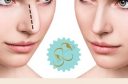
- Nasal “Bunny Lines”: Oblique wrinkles across the bridge of the nose caused by the nasalis muscle.
- Perioral “Smoker’s Lines” and Gummy Smile: Relaxing the upper lip levator muscles to balance excessive gingival display when smiling.
- Masseter Hypertrophy (Facial Slimming & Bruxism): Injections into hypertrophic jaw muscles relieve nocturnal teeth grinding and sculpt a softer, feminine V-line lower facial contour.
- Hyperhidrosis (Excessive Sweating): Botox effectively blocks eccrine sweat gland neuro-stimulation in the axillae (underarms), palms, and soles for 6 to 9 months.
How Does Botox Work and What is the Mechanism?
Botulinum toxin selectively cleaves SNAP-25, a critical protein required for acetylcholine release at the presynaptic neuromuscular junction. By temporarily interrupting signal transmission between motor nerve endings and target muscles, the targeted muscle enters a state of controlled relaxation. With muscular contraction paused, overlying skin rests and smooths out. Crucially, neighboring muscles and general facial expressions remain mobile and natural when precise micro-dosing protocols are employed.
The Treatment Session, Onset, and Longevity
The injection procedure is virtually painless, typically completed within 10 to 15 minutes using ultra-fine microscopic needles. Topical anesthetic cream can be applied beforehand for heightened patient comfort. Clinical effects begin emerging within 3 to 5 days, with maximal smoothing and full therapeutic results consolidating at 10 to 14 days.
On average, the aesthetic effects of botulinum toxin persist for 4 to 6 months. As neuromuscular junctions slowly regenerate new terminal nerve sprouts, muscle activity gradually returns. Regular maintenance treatments every 5 to 6 months weaken habitual grimacing patterns, permanently preserving smooth, youthful skin texture.
Essential Post-Injection Care Guidelines
To avoid unintended diffusion of the product to adjacent muscle groups:
- Maintain an upright posture for at least 4 hours following injections; do not recline flat or bend over vigorously.
- Do not rub, massage, or apply heavy pressure to the injection sites for 24 hours.
- Avoid strenuous physical exercise, hot saunas, steam rooms, and alcohol consumption for 24 hours.
- Botox is strictly contraindicated during pregnancy, lactation, or in patients diagnosed with neuromuscular disorders (e.g., myasthenia gravis, ALS).
View patient transformations and clinical aesthetics on Instagram: https://www.instagram.com/drsamisamin/